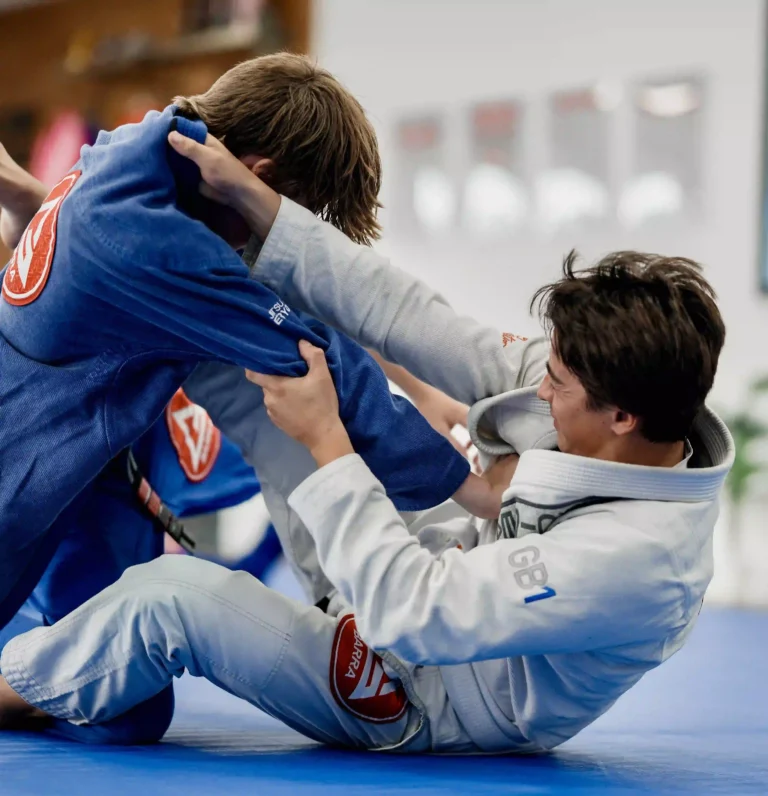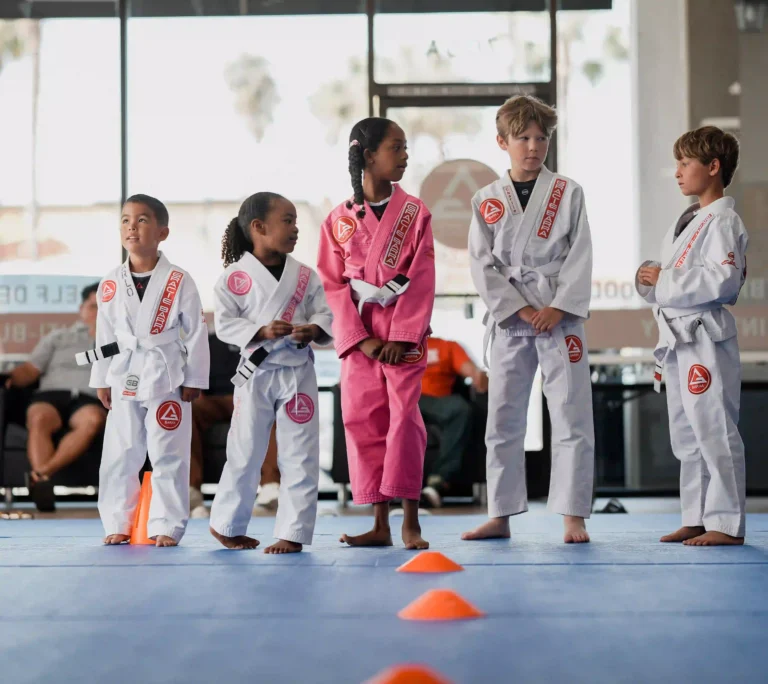
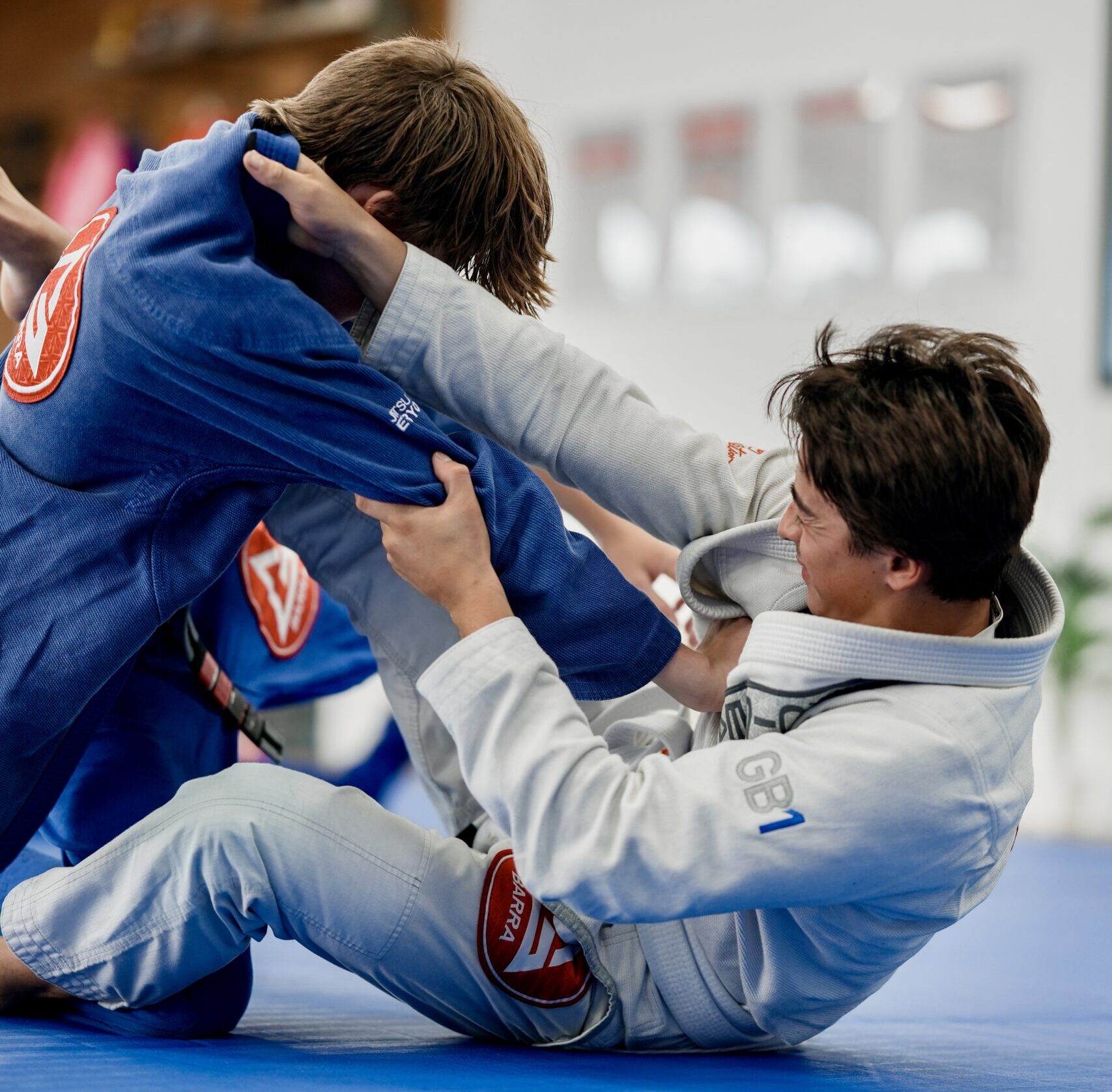
So You Just Got Your Blue Belt: How to Survive the Transition at GB San Marcos
Congratulations! Tying that blue belt around your waist for the first time is a moment you will never forget. It represents hundreds of hours of sweat, discipline, and resilience. You are no longer a beginner; you are a recognized student of the art.
At Gracie Barra San Marcos, we know that the jump from white to blue is one of the most challenging times in a student’s journey. It is also the time when statistically, most people quit. Here is your survival guide to navigating this new rank and ensuring you stay on the path to purple.
Discover The Best Jiu Jitsu Academy in San Marcos
1. The “Target on Your Back” is Real
As a white belt, you were the underdog. If you tapped a blue belt, you were a hero. If you got tapped, it was expected. Now, the script has flipped.
The Hungry White Belts: Your former peers and the tough white belts now see you as a trophy. They will come at you harder to prove they are ready for their own promotion.
The Upper Belts: The purple and brown belts who used to “let you work” or give you openings will stop being so polite. They respect your new rank by testing your defense for real.
The Fix: Accept it. This increase in intensity is a sign of respect. It forces your Jiu-Jitsu to become sharper and more honest. Don’t take it personally; take it as a challenge.
2. Overcoming “Imposter Syndrome”
A very common thought for a new blue belt is: “My instructor made a mistake. I’m not ready. I still get tapped by white belts sometimes.”
This is called Imposter Syndrome, and almost everyone feels it. Remember that your instructor has seen hundreds of students progress. They promoted you not because you are invincible, but because you have demonstrated the technical knowledge and dedication required for the level.
The Fix: Trust your instructor’s judgment more than your own insecurities. Your belt is not a magical shield; you will still have bad days. That doesn’t mean you don’t deserve the rank.
3. Beating the “Blue Belt Blues”
You have probably heard the jokes about blue belts disappearing. Sadly, the “Blue Belt Blues” are real. After the initial goal of getting the belt is achieved, motivation can dip. The learning curve, which was steep and fast at white belt, starts to flatten out. Progress becomes harder to see day-to-day.
The Fix: Change your goals. Don’t focus on the next belt (purple is a long way off). Focus on small, tangible victories:
“This month, I want to stop getting guard passed by big guys.”
“I want to hit this specific sweep in live rolling.”
“I commit to training 3 times a week, no matter what.”
4. You Are Now a Leader
Whether you realize it or not, new students are watching you. You are now a senior to the white belts. How you conduct yourself on the mat sets the tone for the academy.
Be Humble: If a white belt taps you, smile and fist bump. Don’t make excuses.
Help Out: If you see a beginner struggling with a warm-up or tying their belt, offer a hand.
Train Safe: You have more control now. It is your responsibility to keep your training partners safe, especially the newer ones.
5. Embrace the Deep Waters
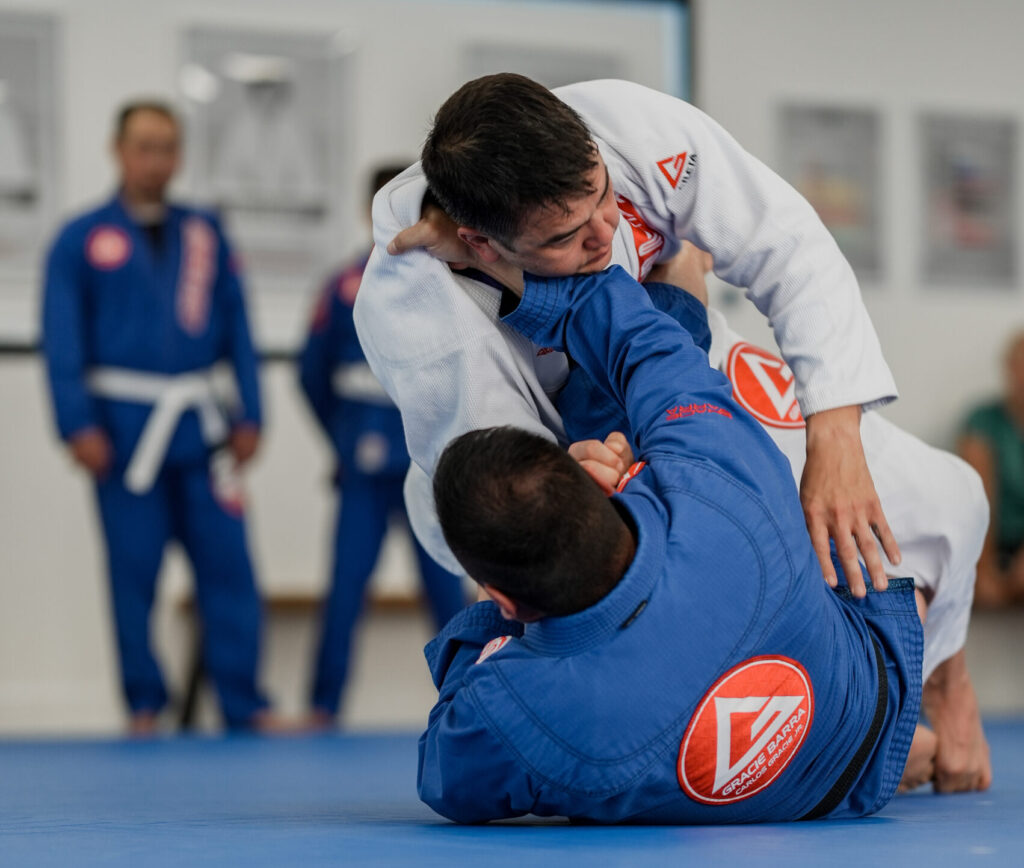
The blue belt is a belt of discovery. You have the tools; now you need to learn how to use them. This is the time to experiment, to fail, and to find your own game.
Don’t be afraid to look bad. If you only play your “A-game” to protect your ego, you will stop learning. Put yourself in bad positions. Try the techniques you aren’t good at.
Discover The Best Jiu Jitsu Academy in San Marcos
At Gracie Barra San Marcos, we are a family. We have all been that fresh blue belt feeling the pressure. Keep showing up, keep learning, and remember: a black belt is just a white belt who never quit.