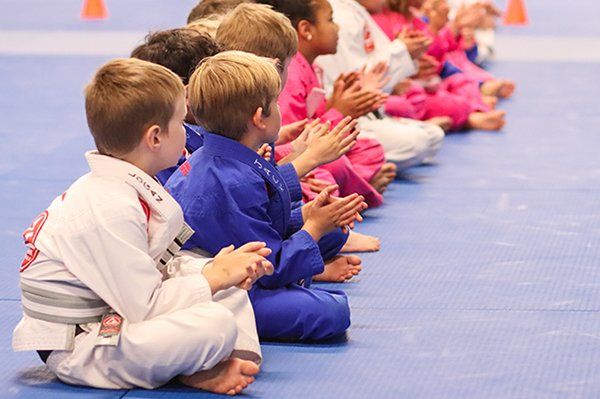
Should Your Child Compete in Jiu-Jitsu?
Many parents reach the same question a few months after their child starts training: the coach mentions an upcoming event, and you are not sure it is a good idea. A kids jiu-jitsu competition can look intense from the bleachers, with referees, scoreboards, and a crowd. Underneath all that, it is a short, rule-bound test of what your child already practices every week.
This article looks at what children actually take away from competing, what they do not need to get from it, and how to tell whether your child is ready. Whether your kid trains at Gracie Barra San Marcos or somewhere else, the same idea holds: competition is optional, and its value depends on how adults frame it before and after the match.
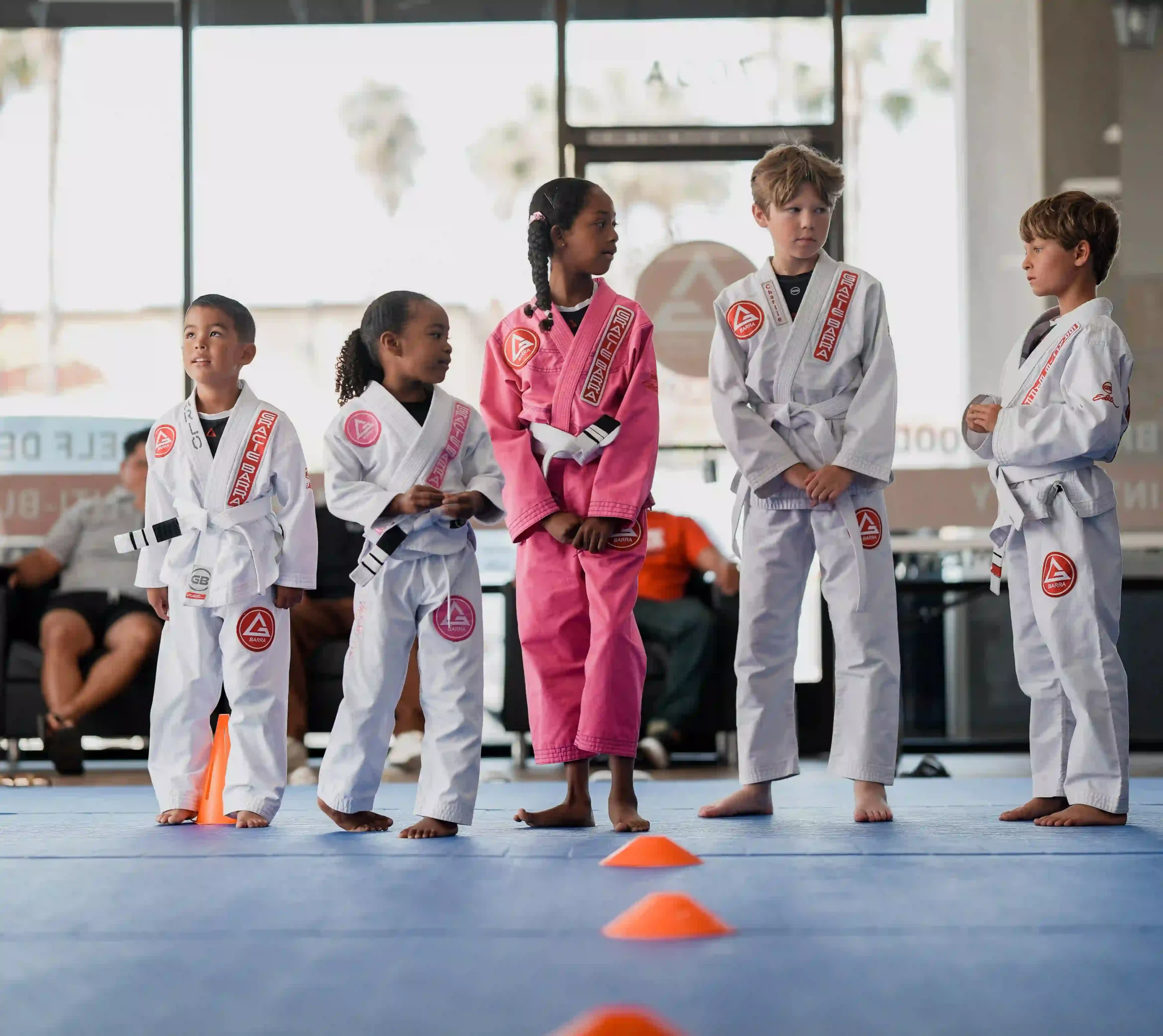
DISCOVER Gracie Barra San Marcos
CLICK HEREWhat a Tournament Teaches That Class Can’t
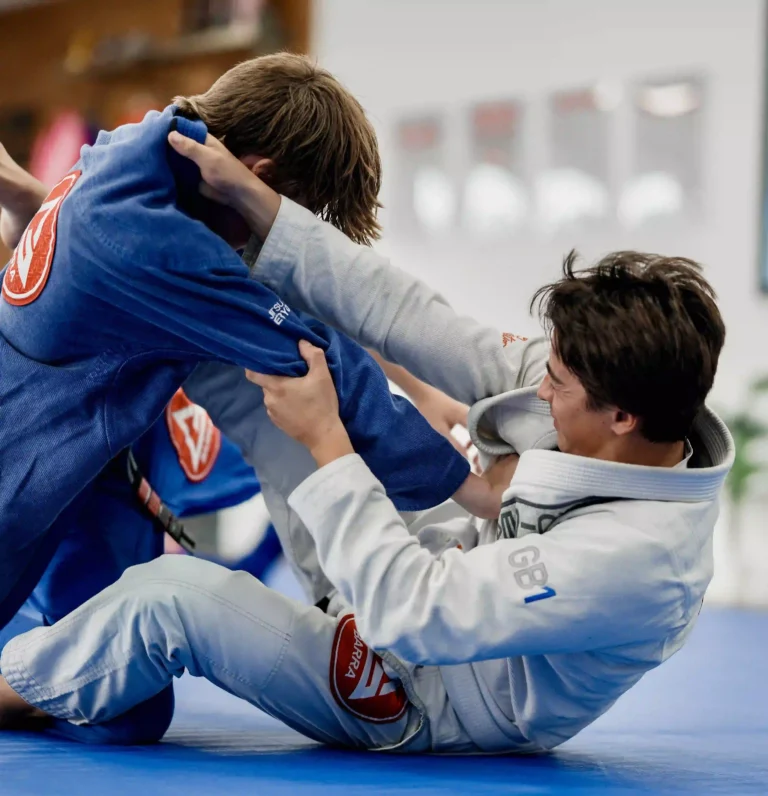
In class, kids train with partners they know. They learn how a friend moves, which side that friend favors, and when he usually gives up a position. A tournament removes that familiarity. Your child faces someone they have never met, and the techniques they drilled now have to work without the usual cues.
That is where one of the clearest benefits of competing shows up: a child learns that nerves and performance can exist at the same time. Their stomach may be in knots during warm-ups, and they can still pull guard, hold a position, or escape. Living through that once is often more convincing than any pep talk.
For cautious kids, this matters even more. The same gradual exposure that helps children with overcoming fear and social anxiety on the mats applies here on a bigger scale: a new room and new faces, but a structure they already understand.
Winning, Losing, and What Kids Take From Both
Most children who enter a bracket will lose at least one match. That is not a flaw in the experience. It is a big part of what makes it useful.
Why a Loss Can Teach More Than a Win
A loss is specific. Your child knows where it happened: they got swept from the top, or their guard was passed in the first minute. That gives them something concrete to bring back to class, which is very different from a vague feeling of “I’m not good at this.”
Parents shape how that lesson lands. If the drive home focuses on the referee or the other kid’s size, the child learns to look outward. If it focuses on one thing that went well and one thing to work on, they learn that setbacks are information.
Sportsmanship When It Actually Costs Something
Shaking hands is easy after a casual roll. Doing it after losing in front of family is harder, and that is exactly why it counts. Competition gives kids a real moment to practice the respect they learn through everyday mat etiquette and safety rules, including tapping early and letting go the moment a partner taps.
Winners get a lesson too. Celebrating without mocking an opponent, and remembering how it felt on the other side, is a skill plenty of adults are still working on.
How a Kids BJJ Tournament Keeps Matches Fair
A common worry is that a small child will face someone much bigger or more experienced. Organized events handle this through divisions. Under IBJJF rules, for example, kids register in the age division tied to their birth year and pick a weight class measured with the uniform on. Many events also restrict certain submissions for younger competitors, so read the specific rulebook before registering.
Why Belt Rank Matters on the Bracket
Belt level groups children by experience as well. Kids’ ranks move through gray, yellow, orange, and green, with stripes along the way, so a child generally meets others at a similar stage. This guide to the kids’ belt ranks and how promotions work explains each level.
At Gracie Barra San Marcos, stripes reflect attendance, behavior, knowledge, and attitude, not tournament results. That is a useful reminder for families: competing is one way to test skills, but it is not the measure of whether a child is progressing.
Preparing for a First Jiu-Jitsu Tournament
Readiness has less to do with age than with comfort. A child who follows a coach’s instructions, rolls with control, and taps without panic is usually in a good place to try a first jiu-jitsu tournament. A child who still gets upset during regular sparring may benefit from a few more months in one of the age-based kids and teens programs first. Ask the coach, since they see your child under pressure every week.
Set goals your child controls. “Win a medal” depends on who shows up. “Get your grip first,” “try your sweep,” or “stay calm on the bottom” are goals a child can meet even in a loss. Kids should also compete at their natural weight; a growing child has no reason to cut weight for a division.
As kids get older and more serious, some move toward structured preparation. This look at what dedicated competition training involves shows that next step, though younger children usually get plenty from regular classes.
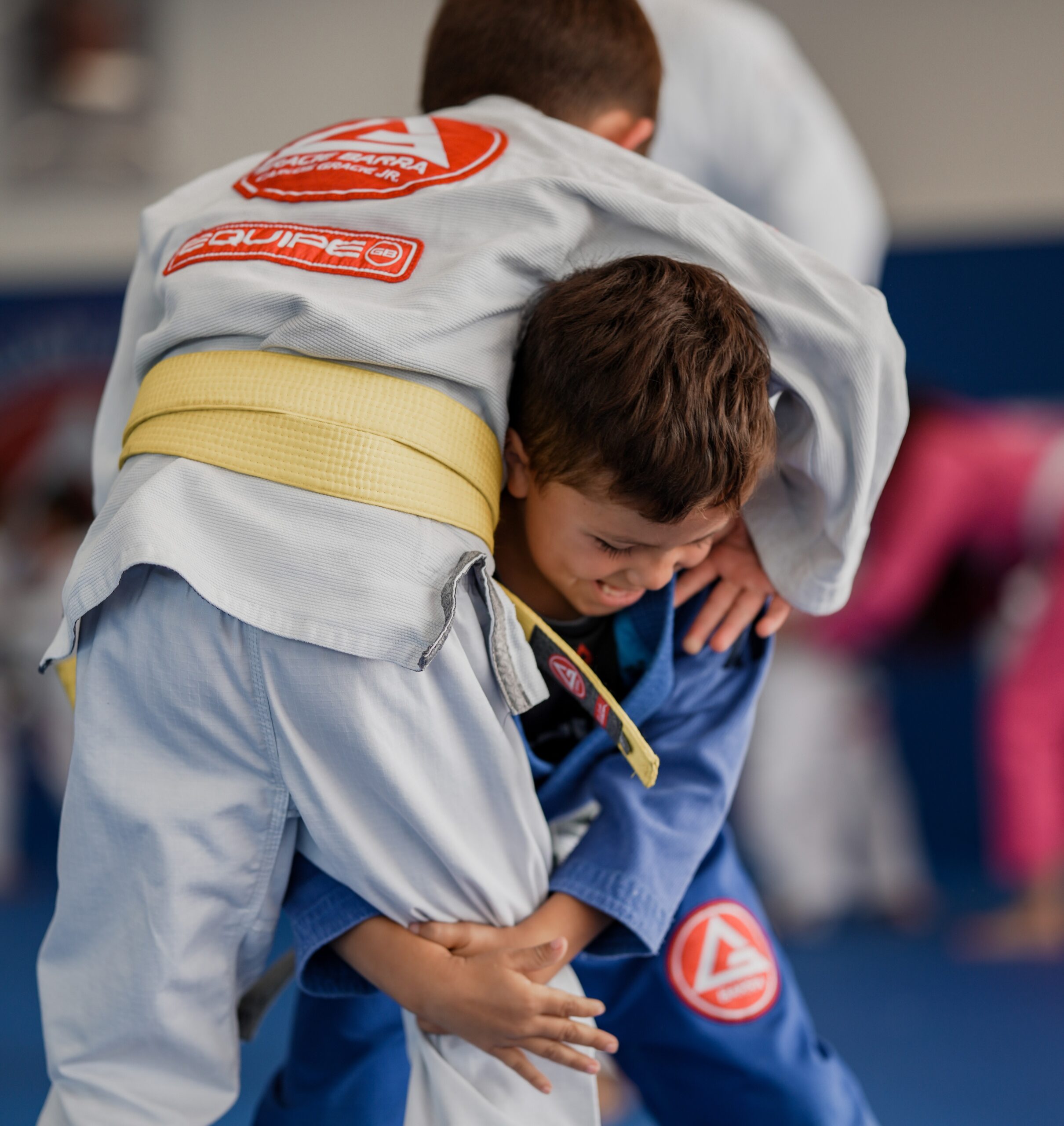
Turning Match Day Into Something Your Child Keeps
Much of a tournament’s value shows up in the day after. Before offering your own analysis, ask your child what they noticed. Questions like “What felt easy?” and “Where did you get stuck?” help them process the experience in their own words.
Then connect it back to training. If escaping the mount was the problem, that becomes something to mention to the coach and drill over the next few classes. Over time, kids see that progress comes from trying, noticing, and practicing, the same kind of confidence built through steady training they develop on regular class days.
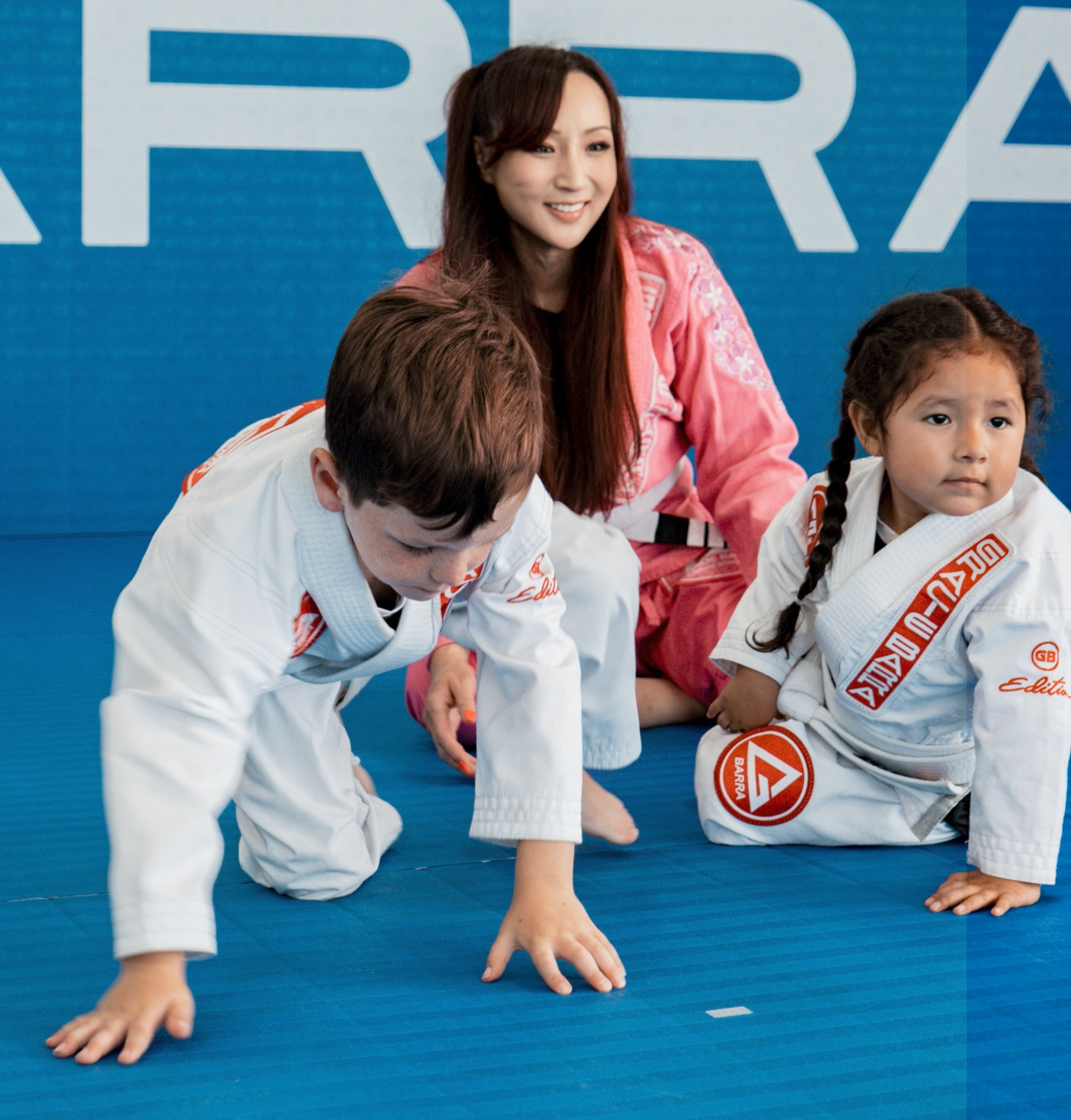
DISCOVER Gracie Barra San Marcos
CLICK HEREIs Kids Jiu-Jitsu Competition Worth It?
For many children, yes, as long as it stays a choice and the adults around them keep the focus on effort and learning. A kids jiu-jitsu competition can teach composure under pressure, honest feedback, and sportsmanship in ways class alone rarely does. It does not need to happen early, and it does not need to happen often.
If your child is curious, the next step is simple: talk with the coaches at Gracie Barra San Marcos about whether an upcoming event fits where your child is right now. Watching a local tournament together first can also make the setting feel familiar before they ever step on the mat.