Understanding Technical Mat Progression
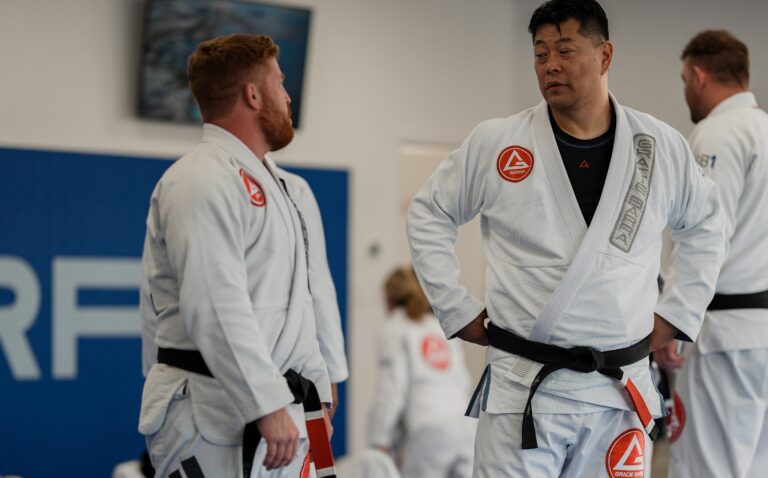
Stepping onto the mats marks the beginning of an intellectually demanding and physically rewarding martial arts path. Dedicated practitioners quickly learn that standard bjj blue belt requirements focus primarily on survivability, defensive composure, and foundational positional control rather than reckless physical exertion.
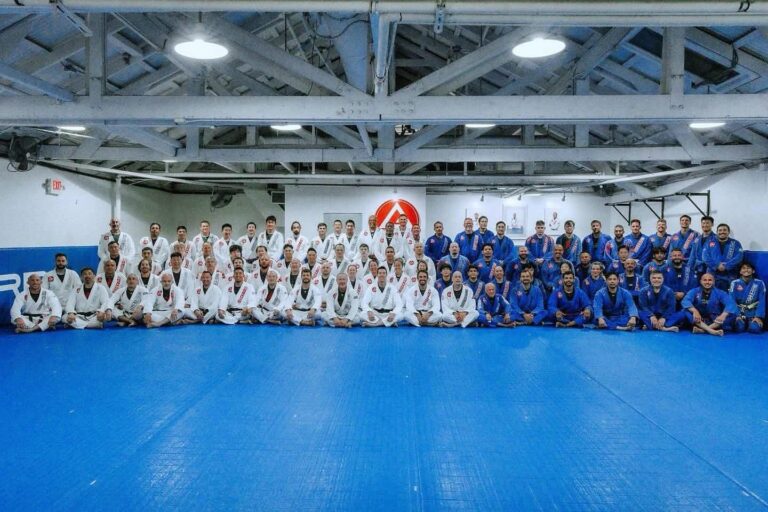
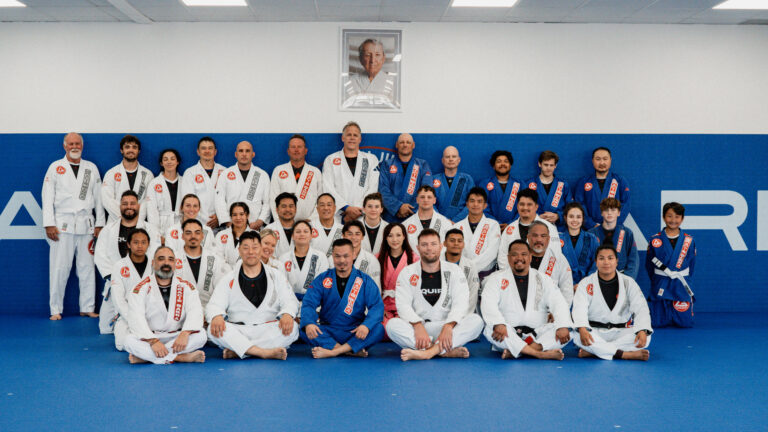
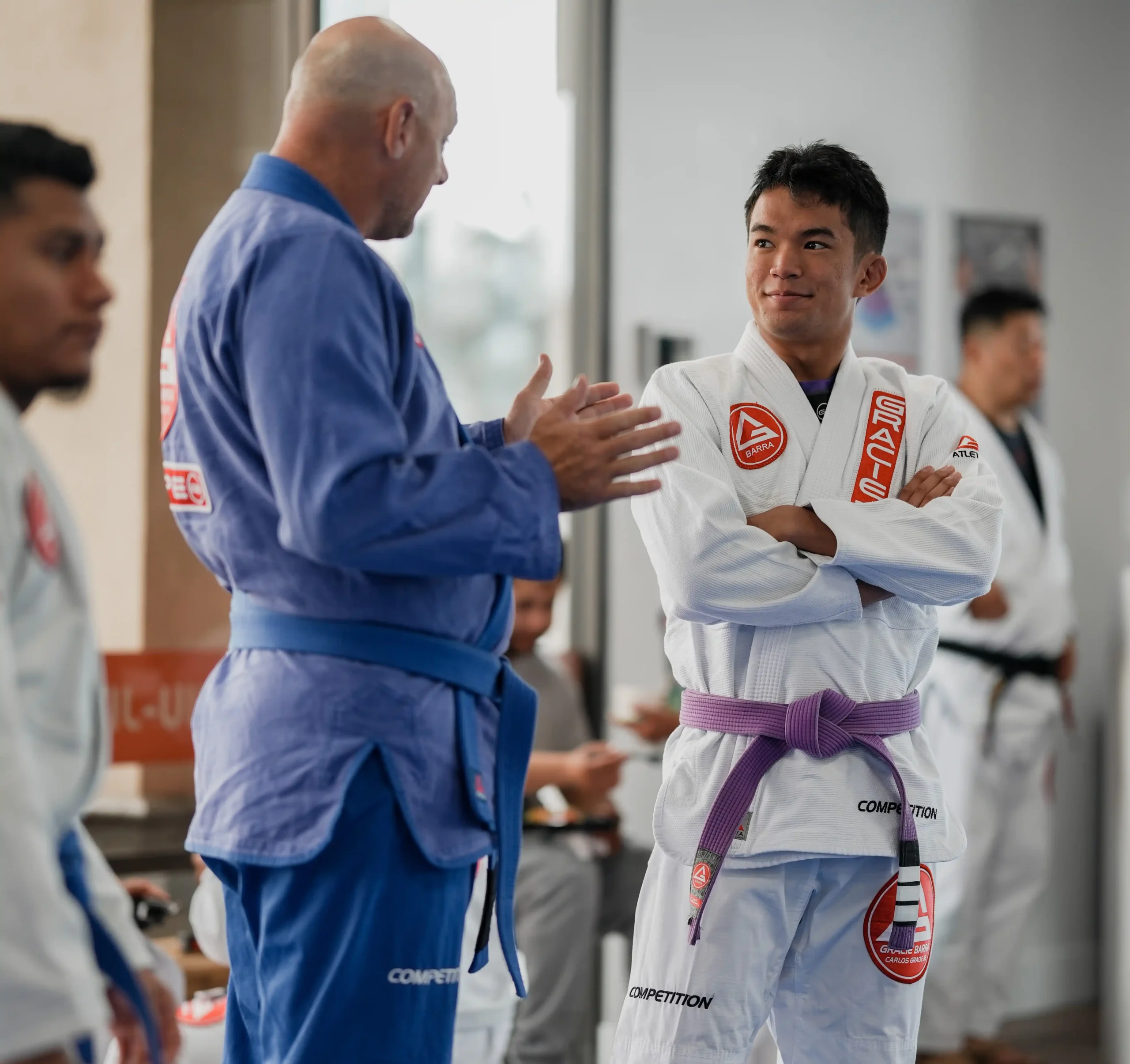
Students training in San Marcos, CA develop these essential fundamentals through systematic repetition and attentive coaching. Building technical fluency early ensures every athlete establishes safe habits that support sustainable long-term athletic development on the mats.
DISCOVER Gracie Barra San Marcos
CLICK HEREDefensive Foundations and Positional Escapes
A dependable defensive framework forms the bedrock of martial arts proficiency. Developing reliable escapes allows students to neutralize pressure and remain composed against experienced sparring partners.
Mastering Side Control Recovery Mechanics
Surviving underneath side control demands disciplined frame placement rather than pushing upward with extended arms. Practitioners must establish a forearm frame across the opponent’s hip and neck to maintain critical structural spacing.
Once frames are set, creating space requires a coordinated hip escape to reinsert the near-side knee into position. This mechanical sequence systematically recovers guard while preventing the top player from establishing dominant chest compression.
Escaping the Full Mount Position
Bottom mount survival centers on tucking elbows tightly against the rib cage to deny underhooks and high-mount transitions. Allowing an opponent to climb upward compromises posture and severely limits defensive mobility.
Athletes must combine the bridge-and-roll reversal with the standard elbow-knee escape to address varying top pressures. Choosing the correct movement pattern depends directly on how the training partner distributes their base and posting limbs.
Defending the Back and Mitigating Chokes
Back control represents one of the most hazardous positions, demanding immediate two-on-one defensive wrist control on the choking arm. Failing to address upper grips leaves the neck vulnerable to fast submission mechanics.
Once initial hand control is established, practitioners slide their hips down to place their shoulders flat against the mat. Clearing the defensive hooks while turning inward completes the escape and transitions safely into the opponent’s guard.
Neutralizing Attacks Within Closed Guard
Maintaining solid posture inside an opponent’s closed guard prevents unexpected armlock and collar choke vulnerabilities. Keeping an upright spine, hands pinned to the opponent’s hips, and weight centered stops disruptive breaking angles.
From this stable base, executing methodical standing or kneeling guard breaks opens the legs without overextending limbs. Establishing controlled grips throughout this procedure ensures safe advancement into technical passing sequences.
Positional Control, Passing, and Dynamic Retention
Advancing past survival requires a thorough grasp of positional dynamics, weight distribution, and guard management. Consistent control allows athletes to dictate the pacing and flow of every round.
Executing Fundamental Guard Passes
Navigating through modern bjj blue belt requirements requires demonstrated competence in both mobile passing and heavy pressure passing styles. The knee-slice pass emphasizes acute diagonal angles, active underhook control, and tight hip sliding across the opponent’s thigh.
Complementing agile passing with the over-under pass teaches practitioners how to fold defensive hips using steady shoulder pressure. Alternating smoothly between dynamic speed and methodical pinning dismantles complex open guard structures.
Principles of Guard Retention
Guard retention depends upon maintaining an unbroken connection between the elbows and knees to eliminate passing channels. When an opponent cuts laterally, early frames prevent their torso from securing direct chest contact.
Utilizing high-leg pummeling and controlled hip adjustments allows the bottom practitioner to redirect kinetic force safely. This mechanical barrier prevents passes without expending excessive physical stamina during long training sessions.
Securing and Maintaining Dominant Top Pins
Holding side control effectively requires disciplined crossface pressure and active hip positioning flat to the canvas. Resting heavy weight through the rib cage restricts the bottom player from generating forceful hip escapes.
Transitioning fluidly into knee-on-belly or full mount forces defensive mistakes while keeping your base secure. Recognizing structural shifts ensures practitioners remain mobile enough to counter dynamic bridge attempts.
Offensive Chains, Fundamental Submissions, and Takedowns
An effective grappling game connects sweeping mechanics directly into positional dominance and clean finishing opportunities. Precision timing always supersedes brute strength when applying submissions.
Executing High-Percentage Guard Sweeps
Sweeps teach practitioners how to manipulate an opponent’s balance by eliminating essential defensive posts. The classic scissor sweep and hip-bump sweep demonstrate how coordinated push-pull grips compromise the opponent’s base.
Integrating these sweeps creates offensive dilemmas when the top player attempts to maintain their posture. Successfully knocking an opponent off balance enables an immediate climb directly into top control.
Fundamental Submission Mechanics
Developing dependable finishing mechanics requires focusing on leverage rather than abrupt, explosive force. Standard submissions such as the straight armbar, triangle choke, and cross-collar choke rely on isolated limb control and calculated angles.
Applying submissions with measured control guarantees partner safety and encourages high-repetition practice during training rounds. Understanding leverage principles allows practitioners to finish attacks cleanly against opponents of varied physical builds.
Takedown Mechanics and Defensive Posture
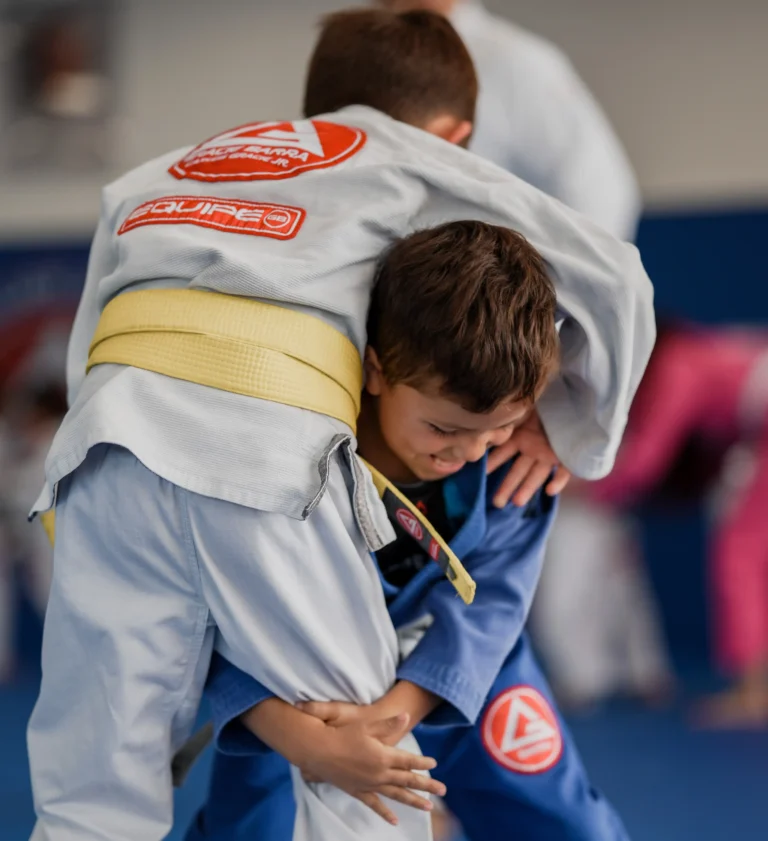
Every grappling round starts from the feet, requiring solid stance fundamentals and sound head positioning. Fundamental wrestling shots like the single-leg takedown teach level changes and continuous driving footwork.
Equally critical is reflexive sprawling to counter sudden attacks on the lead legs. Developing reliable defensive takedown posture instills complete confidence when initiating engagements from an upright position.
Mat Safety, Etiquette, and Technical Consistency
Advancing in martial arts involves far more than simply memorizing lists of movements. Demonstrating personal discipline, respecting training partners, and tapping promptly to prevent injury represent mandatory expectations for every developing practitioner.
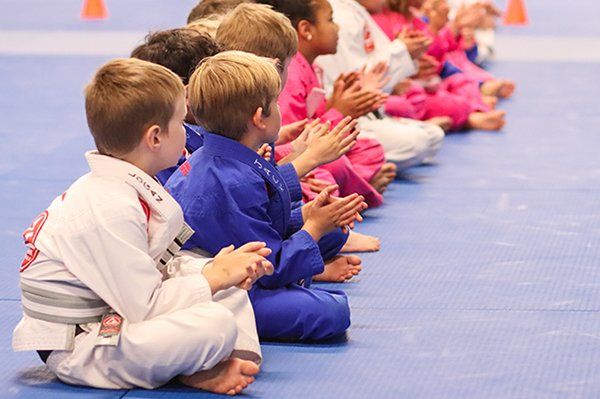
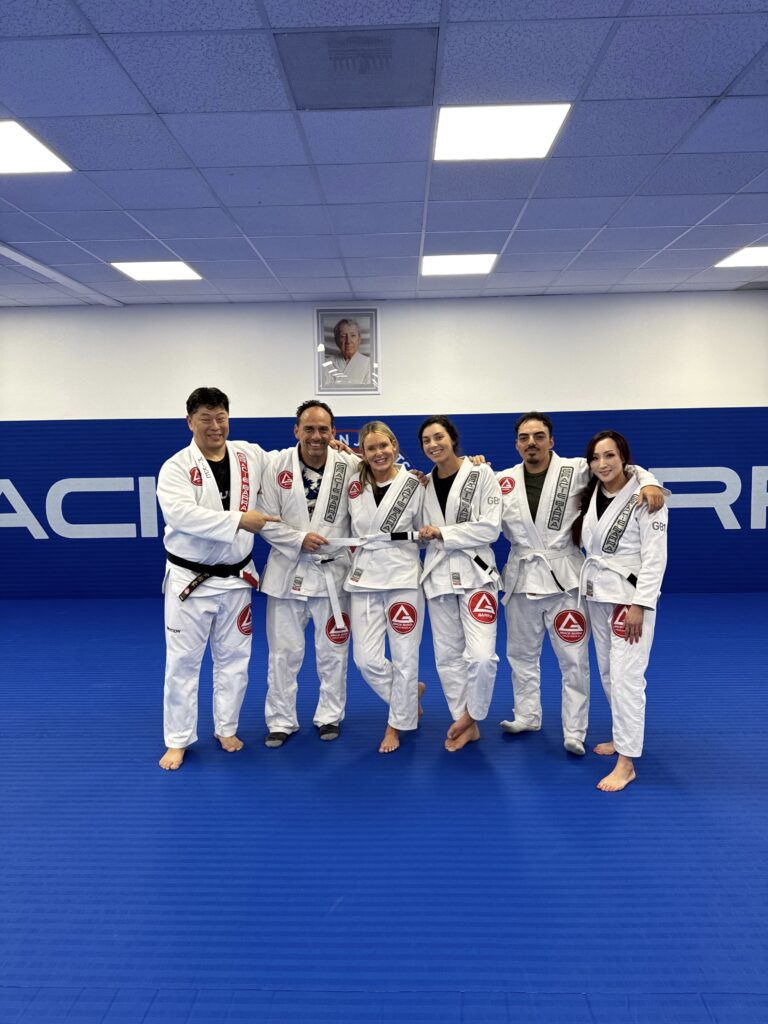
At Gracie Barra San Marcos, students train within an encouraging, structured environment that emphasizes safe technical execution over reckless intensity. This disciplined culture ensures that every student builds sustainable habits while progressing at an optimal pace.
Measuring Progression Beyond Rank
Evaluating personal advancement purely by belt promotions often obscures the incremental technical victories occurring during daily practice. Successfully escaping a dominant pin or retaining guard against skilled pressure demonstrates clear technical maturity.
Mastering core bjj blue belt requirements signifies an important transition from defensive survival toward proactive tactical problem-solving. Approaching every training round as a study in body mechanics fosters deep lifelong development.
DISCOVER Gracie Barra San Marcos
CLICK HEREBuilding a Sustainable Grappling Journey
Fulfilling foundational bjj blue belt requirements marks the completion of the introductory phase and opens the door to deeper technical refinement. Developing resilient defensive mechanics and sound positional awareness creates a versatile platform for future growth.
For community members training in San Marcos, CA, embracing this structured path provides physical fitness, mental resilience, and lasting friendships. Committing to consistent mat time transforms fundamental techniques into second nature.