Learned It on Tuesday, Lost It by Thursday?
You drilled an escape ten times, it felt clear, and two days later you can’t recall which hand goes where. If you want to remember Jiu-Jitsu techniques for longer than the drive home, start with this: nearly everyone forgets most of a new move at first. It arrives as a string of unfamiliar details, such as grips, angles and timing, and few of them connect to anything you already know.
Holding on to a technique depends less on having a “good memory” and more on what you pay attention to during class and what you do in the hours after it. At Gracie Barra San Marcos, as at any academy, the instructor can show and correct the technique. Reviewing it between classes is the part that stays in your hands.
DISCOVER Gracie Barra San Marcos
CLICK HEREWhy New Techniques Fade So Quickly
When you watch a demonstration, your attention usually goes to the most visible part: the sweep, the escape or the moment your partner ends up on their back. The setup that made it possible, like where your knee was or which grip came first, is quieter and easier to miss. Later, you remember how the move ended but not how it started, so you can’t reproduce it.
Pressure makes this worse. A technique that felt smooth against a cooperative partner can disappear the moment someone resists, because you’re thinking about the resistance instead of the sequence. That doesn’t mean you didn’t learn anything. It means the move hasn’t been repeated often enough to run without your full attention.
Time between sessions matters too. If you train once and then skip two weeks, each class starts close to zero, which is why irregular attendance shows up among the most common mistakes beginners make in their first six months. A schedule you can actually keep gives you more chances to recognize a position before it fades completely.
What to Pay Attention to While You Drill
Most of the forgetting can be reduced during Jiu-Jitsu drilling, before you ever pick up a notebook. The goal while drilling is not to copy every detail at once. It’s to understand what the technique is for and which few details carry it.
Find the Problem the Technique Solves
Before your first repetition, try to answer three questions: Where does this start? What problem is it solving? What’s the detail the instructor keeps repeating? An escape from the bottom of side control, for example, exists because you’re pinned and need space. Seen that way, the first step, usually creating a frame before you move your hips, makes sense instead of feeling arbitrary.
If one of those answers isn’t clear, ask. The academy’s mat rules for conduct during class encourage questions at the right moment, typically after the demonstration or while the instructor walks around during drilling.
Slow Repetitions Teach More Than Fast Ones
Speed hides mistakes. If you rush through a drill, momentum can make a sloppy grip look like it worked, and you end up memorizing the wrong version. A related habit appears in the list of things almost every white belt does, like treating drills as a competition.
A useful pattern is a few repetitions slowly, saying each step to yourself, then a few at normal pace once the order feels automatic. Your partner benefits too, since a calm pace gives them time to feel what you’re doing.
Why Some Moves Take Months to Click
Some techniques won’t stick after one class no matter what you do, and that’s normal. Many only make sense once you’ve seen the position from several angles: the escape, the pass that leads to it and the attack that follows it. Fundamentals curricula tend to revisit the same core positions, which is part of how they settle over time.
At Gracie Barra San Marcos, adult beginners can choose between the GB1 Adults All Levels class in the gi and the Adults No-Gi Fundamentals class. Whichever you attend, seeing a position again weeks later is not repetition for its own sake. It’s the moment loose details start to connect.
Organize Techniques by Position, Not by Name
A list of move names is hard to use. A map of positions is easier: bottom of side control, guard, mount, back. Under each heading, write what you know from there. When you’re stuck in a position during training, you’ll recall options by where you are, not by a name you heard once.
This also matches how progress is measured. The academy’s belt promotion criteria include understanding the concepts behind each move, not only performing it, so knowing why a technique works counts as much as knowing its steps.
A Simple Jiu-Jitsu Training Journal Routine
A Jiu-Jitsu training journal doesn’t need to be detailed. Notes written within a few hours of class are usually enough, because you still remember what felt confusing. For each technique, try this short format:
- The starting position and the problem it solves.
- Three or four steps, in your own words.
- The one detail the instructor emphasized.
- A question to ask in the next class.
Before your next session, read the notes and walk through the steps in your head. If you want to record a demonstration, ask the instructor first, because policies on filming vary between academies and classes.
What One Training Week Could Look Like
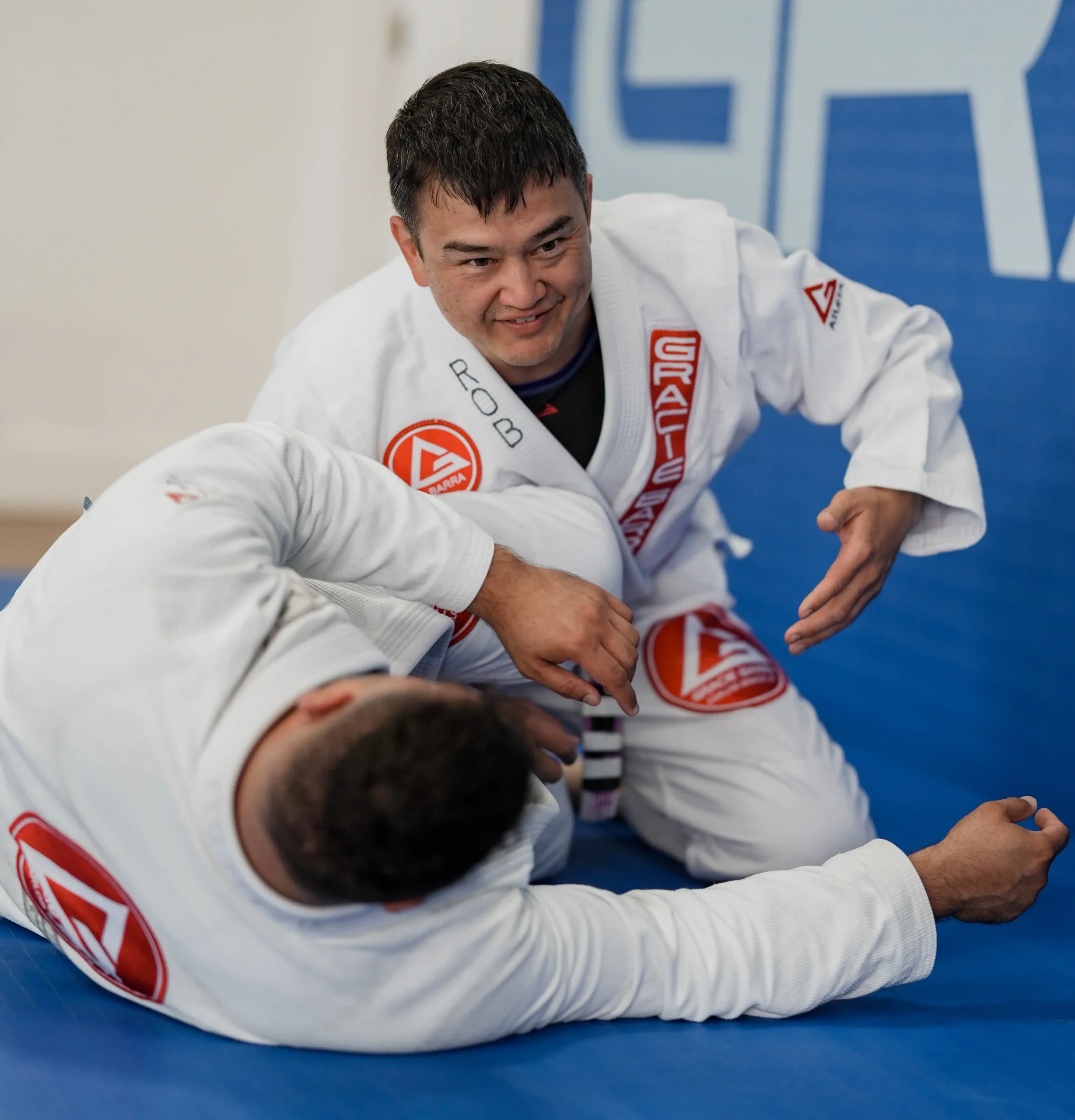
Here’s a hypothetical example. On Monday you learn an escape, and that evening you write four lines about it. On Wednesday, before class, you reread the note and ask the instructor about the step you weren’t sure of. If the class ends with positional training, you try the escape against light resistance and notice where it breaks down.
That rhythm fits naturally into how a typical fundamentals class is structured, from warm-up to technique to specific training. Each part gives you a different look at the same move, and your notes connect those looks across the week.
DISCOVER Gracie Barra San Marcos
CLICK HEREHow to Remember Jiu-Jitsu Techniques Without Memorizing Everything
The short answer: focus on the problem each move solves, drill slowly enough to feel the key detail, and review briefly before you train again. Forgetting parts of a technique isn’t a sign that you’re bad at learning. It’s a normal part of building familiarity with positions that are still new to you.
For your next class, pick one technique, write it down that night, and bring one question about it. If you train at Gracie Barra San Marcos, that question is a good way to start a conversation with your instructor about what to focus on next.